


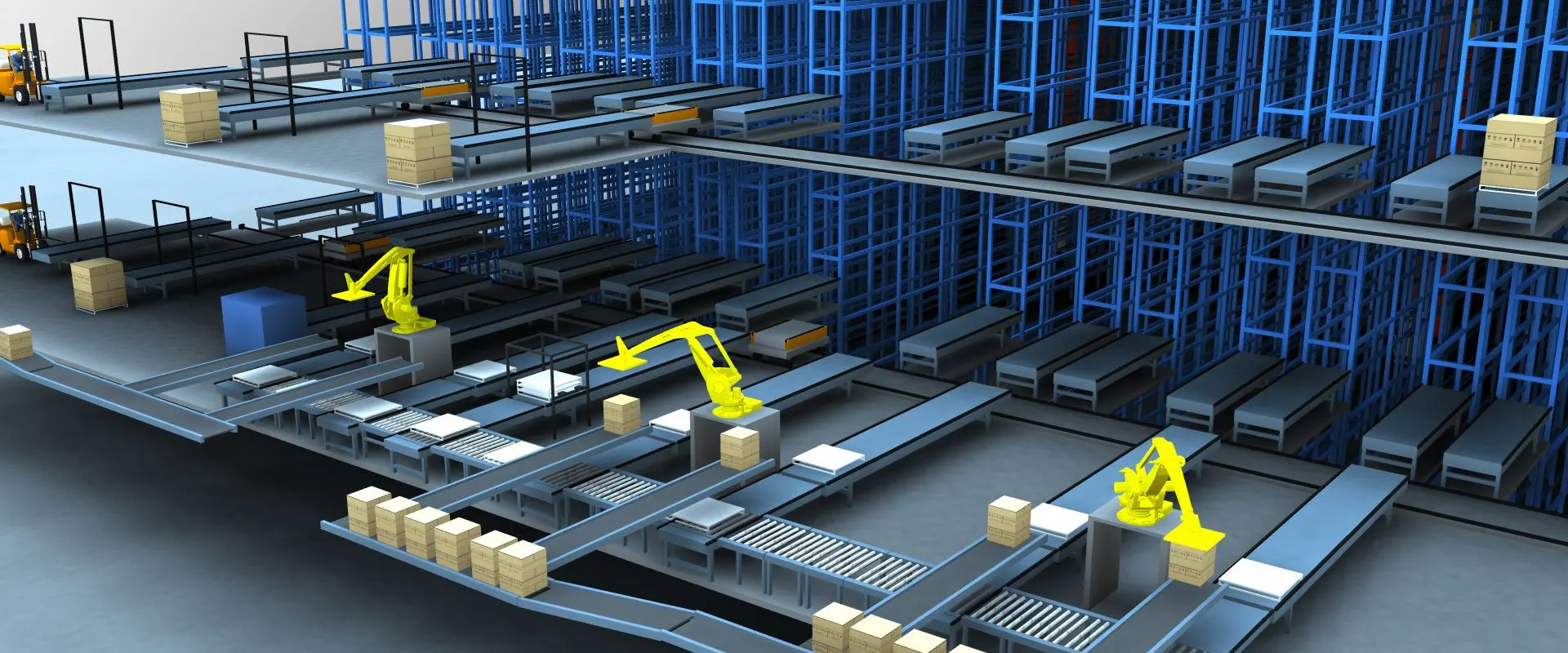
Understanding High-Speed Conveyors: Efficiency in Industrial Operations
Jul 21,2025
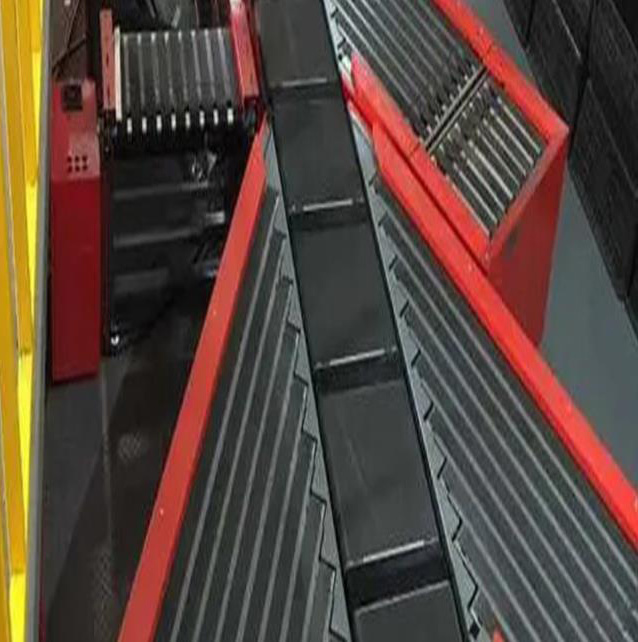
High-speed conveyors are a crucial component in the realm of industrial equipment and components, particularly in the field of material handling. These systems are designed to move products quickly and efficiently from one point to another, significantly improving the productivity of manufacturing and distribution operations.
One of the primary advantages of high-speed conveyors is their ability to handle large volumes of goods with minimal manual intervention. This automation reduces labor costs and the potential for human error, allowing businesses to focus on more strategic tasks. Moreover, high-speed conveyors help in reducing bottlenecks in production lines, enabling a smoother flow of materials and ultimately leading to faster turnaround times.
In terms of design, high-speed conveyors come in various configurations to meet the specific needs of different industries. For instance, belt conveyors, roller conveyors, and chain conveyors are common types that can be engineered to accommodate varying weights and sizes of products. The choice of conveyor type often depends on the nature of the materials being transported, as well as the layout of the facility.
Another key feature of high-speed conveyors is their adaptability. These systems can be integrated with other technologies, such as sensors and automated sorting systems, to create a fully automated workflow. This integration allows for real-time monitoring of the materials being transported, ensuring that any issues can be addressed promptly, thus minimizing downtime.
The materials used in the construction of high-speed conveyors are also noteworthy. They are typically made from durable materials, such as stainless steel or reinforced plastics, to withstand the rigors of industrial environments. Additionally, many modern conveyors are designed to be energy-efficient, which not only reduces operational costs but also contributes to sustainability efforts in manufacturing.
Safety is another critical aspect of high-speed conveyors. Manufacturers often incorporate safety features such as emergency stop buttons, guards, and sensors to prevent accidents and ensure safe operation. Proper training for personnel who operate and maintain these systems is also essential to uphold safety standards.
In conclusion, high-speed conveyors play a vital role in enhancing the efficiency of industrial operations. Their ability to automate material handling processes not only saves time and reduces labor costs but also improves overall productivity. By understanding the functionalities and benefits of high-speed conveyors, businesses can make informed decisions on the best solutions for their specific needs, ultimately leading to a more streamlined and efficient operation.


-
Our mission is to be recognised as class leading solution providers for materials handling and automation systems across all industry sectors.