


All Categories
Leveraging Sortation Conveyor Technology for Competitive Advantage
Jul 14,2025
Leveraging Sortation Conveyor Technology for Competitive Advantage
Table of Contents
- Introduction to Sortation Conveyor Technology
- Understanding Sortation Conveyors
- Benefits of Sortation Conveyor Systems
- Types of Sortation Conveyors
- Applications of Sortation Conveyor Technology
- Implementing Sortation Conveyors in Your Operations
- Case Studies: Success Stories in Sortation Conveyors
- The Future of Sortation Conveyor Technology
- Conclusion
- Frequently Asked Questions
Introduction to Sortation Conveyor Technology
In the competitive landscape of modern industry, efficiency and speed are paramount. **Sortation conveyor technology** has emerged as a game-changer, enabling businesses to optimize their material handling processes. This technology allows for the rapid and accurate sorting of products, significantly reducing the time and labor associated with manual sorting tasks. As we delve deeper into the advantages and applications of sortation conveyors, it becomes clear how they can provide a substantial competitive advantage in various sectors.
Understanding Sortation Conveyors
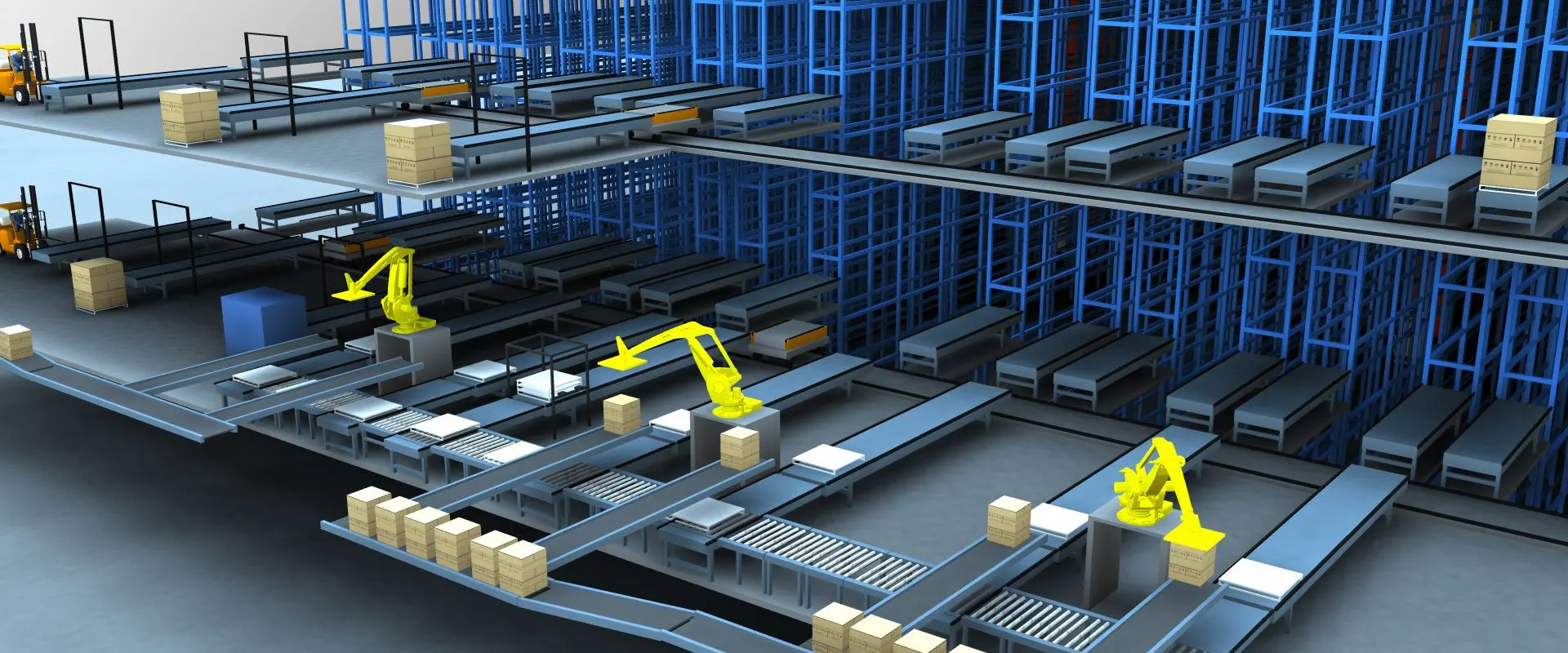
Sortation conveyors are automated systems designed to route products to different destinations using various sorting methods. These conveyors can handle various types of items, from small packages to bulky goods. The technology typically incorporates advanced sensors and control systems that enable precise sorting based on specific criteria such as size, weight, and destination.
How Sortation Conveyors Work
Sortation conveyors operate by moving products along a belt or rail system where they are identified, sorted, and redirected. The process often involves:
- **Identification:** Sensors detect the items as they pass through the conveyor system.
- **Sorting Mechanism:** Once identified, items are sorted using diverters, gates, or pop-up mechanisms.
- **Destination Routing:** Sorted items are directed to their designated areas, such as packing stations or shipping zones.
This automation enhances accuracy and minimizes human error, leading to smoother operations.
Benefits of Sortation Conveyor Systems
Implementing sortation conveyor technology yields numerous benefits that can significantly enhance operational efficiency. Here are some key advantages:
1. Increased Efficiency
Sortation conveyor systems streamline the sorting process, significantly reducing the time required to move products from one point to another. This increased speed translates to higher productivity levels.
2. Cost Reduction
By automating sorting tasks, companies can lower labor costs and minimize the risk of costly errors. Fewer employees are needed for sorting tasks, allowing them to focus on higher-value activities.
3. Enhanced Accuracy
Automation leads to precise sorting, which reduces mistakes in order fulfillment. This accuracy is essential for maintaining customer satisfaction and loyalty.
4. Improved Space Utilization
Sortation conveyors enable more efficient use of warehouse space. By optimizing product flow, businesses can maximize storage areas and minimize the need for unnecessary expansions.
Types of Sortation Conveyors
Various types of sortation conveyor systems cater to different operational needs. Understanding these types helps businesses select the most suitable solution.
1. Belt Sorters
Belt sorters utilize a flat belt to transport items. They are versatile and can handle a wide range of product sizes and shapes.
2. Sliding Shoe Sorters
These systems use sliding shoes to divert products off the main conveyor path. They are particularly effective for high-speed sorting applications.
3. Cross-Belt Sorters
Cross-belt sorters employ a series of small belts that run perpendicular to the main conveyor belt. This design allows for high-speed and efficient sorting of items.
4. Tilt Tray Sorters
Tilt tray sorters utilize trays that tilt to drop items at designated locations. They are ideal for handling fragile or irregularly shaped products.
Applications of Sortation Conveyor Technology
Sortation conveyor systems find applications across various industries, each benefiting uniquely from the technology.
1. E-commerce and Retail
In the fast-paced world of e-commerce, sortation conveyors are critical for efficiently processing orders. They enable quick sorting of items, ensuring timely deliveries.
2. Food and Beverage Industry
Sortation conveyors help food and beverage manufacturers streamline production lines, improving processing times and reducing waste.
3. Pharmaceuticals
In the pharmaceutical sector, precision and accuracy are vital. Sortation conveyors assist in the efficient sorting of medications, ensuring they reach the correct destinations.
4. Manufacturing
Manufacturers use sortation conveyors to enhance production line efficiency by minimizing manual handling and optimizing workflow.
Implementing Sortation Conveyors in Your Operations
To reap the benefits of sortation conveyor technology, businesses must carefully evaluate their operations and develop a strategic implementation plan.
1. Assessing Needs and Requirements
Begin by analyzing your current sorting processes. Identify pain points, such as bottlenecks and inefficiencies. Understanding your requirements will guide you in selecting the appropriate sortation system.
2. Selecting the Right System
Choose a sortation conveyor type that aligns with your operational needs. Consider factors such as speed, capacity, and product types.
3. Integration with Existing Systems
Ensure that the new sortation conveyor can seamlessly integrate with your current material handling systems. This integration is crucial for maintaining a smooth operation.
4. Training and Change Management
Invest in training your staff on the new system. Effectively managing the transition to automation will ensure that your team is prepared and comfortable with the changes.
Case Studies: Success Stories in Sortation Conveyors
Many businesses have successfully leveraged sortation conveyor technology to enhance their operations. Here are a few notable examples:
1. Amazon
Amazon has implemented advanced sortation conveyor systems in its fulfillment centers, resulting in a significant reduction in order processing time. By automating sorting, they have streamlined their logistics and improved customer satisfaction.
2. Walmart
Walmart utilizes sortation conveyors in its distribution centers to efficiently sort and route products to stores. This technology has enabled them to optimize their supply chain and reduce delivery times.
3. Coca-Cola
Coca-Cola implemented tilt tray sorters in its bottling facilities to enhance the accuracy of order fulfillment. This application improved operational efficiency and reduced product damage during sorting.
The Future of Sortation Conveyor Technology
As technology continues to evolve, the future of sortation conveyors looks promising. Innovations in artificial intelligence, machine learning, and robotics are set to enhance the capabilities of sortation systems further.
1. Smart Automation
The incorporation of smart automation will lead to more adaptive and intelligent sorting systems that can optimize operations in real time.
2. Enhanced Data Analytics
Data analytics will play a crucial role in analyzing sorting processes, allowing businesses to make data-driven decisions for continuous improvement.
3. Sustainability
Future sortation conveyor systems will focus on sustainability by incorporating energy-efficient technologies and materials that minimize environmental impact.
Conclusion
Leveraging **sortation conveyor technology** is vital for businesses aiming to achieve a competitive advantage in today's fast-paced industrial landscape. By understanding the various types of sortation conveyors, their applications, and the significant benefits they offer, companies can make informed decisions that enhance efficiency and reduce costs. As we look to the future, the advancements in this technology promise even greater opportunities for operational excellence.
Frequently Asked Questions
1. What industries benefit most from sortation conveyor technology?
Sortation conveyor technology is particularly beneficial in e-commerce, food and beverage, pharmaceuticals, and manufacturing industries.
2. How does sortation conveyor technology improve efficiency?
By automating the sorting process, sortation conveyors reduce manual handling and increase sorting speed, leading to higher operational efficiency.
3. What types of products can be sorted using these systems?
Sortation conveyor systems can handle various products, including small packages, bulky items, fragile goods, and more.
4. Are sortation conveyor systems expensive to implement?
The cost of implementing sortation conveyor systems varies depending on the type and scale of the system. However, the long-term savings in labor and efficiency often outweigh the initial investment.
5. How can businesses evaluate their need for sortation conveyor technology?
Businesses should analyze current sorting processes, identify inefficiencies, and assess their operational requirements to determine if sortation conveyor technology is a suitable solution.


-
Our mission is to be recognised as class leading solution providers for materials handling and automation systems across all industry sectors.