


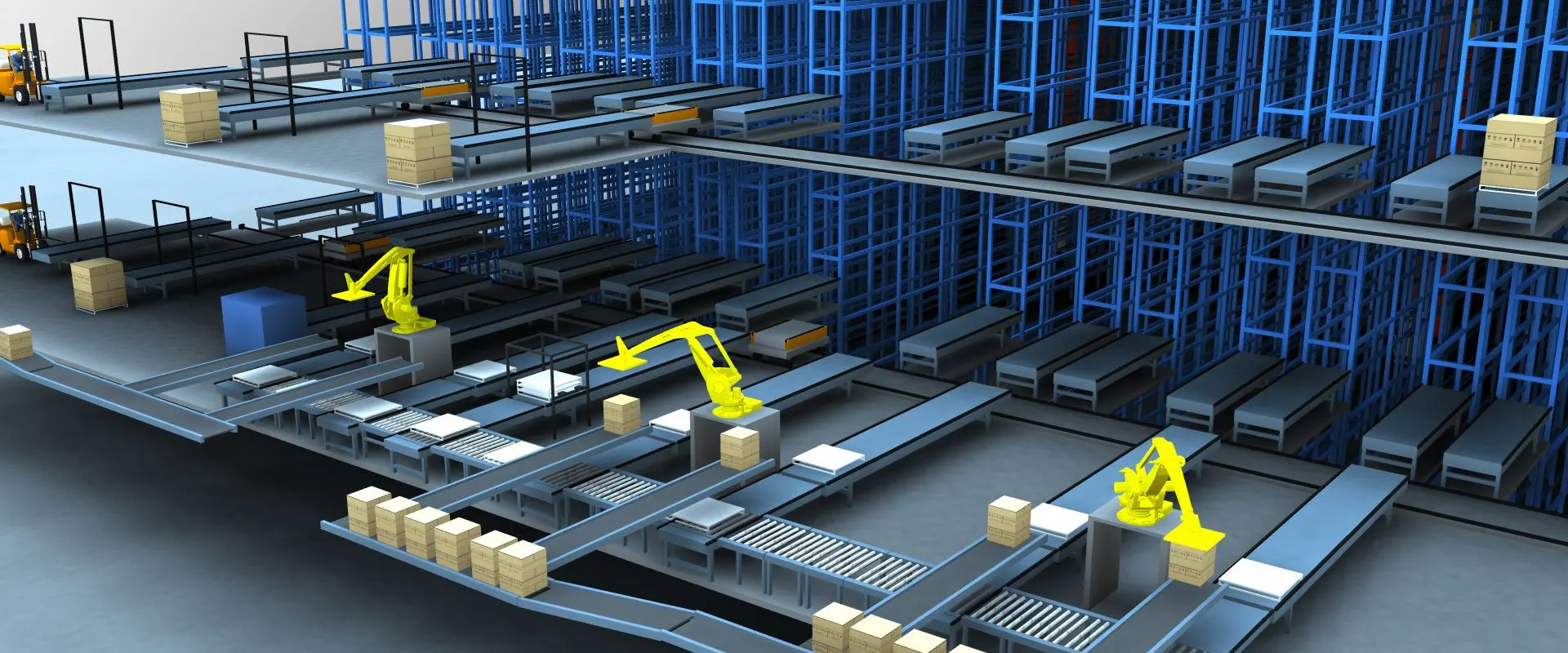
High-Speed Sorting Machine Drives Efficiency in Next-Generation Logistics Centers
Apr 27,2026

As global logistics networks expand and e-commerce demand continues to surge, the need for faster and more efficient parcel handling solutions has never been greater. The high-speed sorting machine has become a cornerstone technology in modern distribution centers, enabling rapid, accurate, and automated sorting processes.

A high-speed sorting machine is designed to process large volumes of parcels in a short amount of time. Equipped with advanced scanning systems, sensors, and intelligent control software, the machine can quickly identify each item and determine its destination. Once processed, parcels are automatically diverted to the appropriate output lanes using various mechanisms such as belts, rollers, or cross-belt systems.
One of the primary advantages of a high-speed sorting machine is its exceptional throughput capacity. These machines can handle thousands or even tens of thousands of parcels per hour, making them ideal for high-demand environments such as e-commerce fulfillment centers, express delivery hubs, and large-scale warehouses. This capability ensures that logistics operations can keep pace with increasing order volumes, especially during peak seasons.
Accuracy is equally important in sorting operations. The high-speed sorting machine integrates precise scanning and routing technologies to minimize errors and ensure that parcels reach their correct destinations. Improved accuracy not only enhances customer satisfaction but also reduces the costs associated with misrouted shipments and returns.
Flexibility is another key feature of modern high-speed sorting machines. They are capable of handling parcels of different sizes, weights, and shapes, from small packages to bulky items. Modular designs allow businesses to expand capacity or adapt configurations as operational needs evolve. Integration with warehouse management systems (WMS) further enhances real-time tracking, data analysis, and process optimization.
In addition to efficiency and flexibility, high-speed sorting machines contribute to improved workplace safety. By automating repetitive and labor-intensive tasks, they reduce the need for manual handling, lowering the risk of injuries and fatigue among workers.
Reliability and durability are also critical factors. High-speed sorting machines are built with robust components and equipped with predictive maintenance features that help detect potential issues before they disrupt operations. This ensures continuous performance and minimizes downtime in demanding logistics environments.
In conclusion, the high-speed sorting machine is an essential solution for modern logistics systems. Its ability to deliver high throughput, accuracy, and operational efficiency enables businesses to meet growing market demands and maintain a competitive edge in today’s fast-paced supply chain landscape.


-
Our mission is to be recognised as class leading solution providers for materials handling and automation systems across all industry sectors.