


Automatic Sorting Conveyor Transforms Efficiency in Modern Logistics Systems
May 01,2026

As the logistics industry continues to evolve under the pressure of growing e-commerce demand, automation has become a key factor in improving operational performance. The automatic sorting conveyor has emerged as a fundamental solution for enhancing efficiency, accuracy, and scalability in modern warehouses and distribution centers.

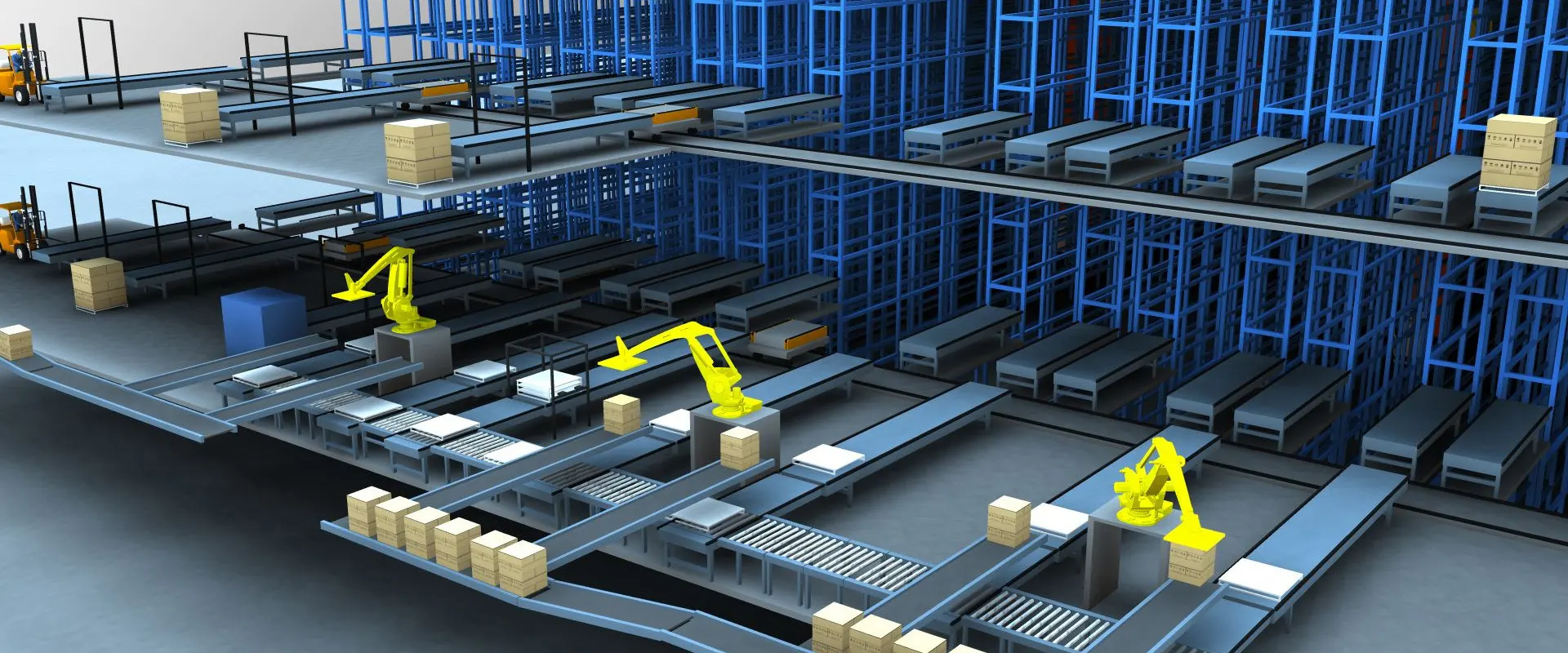
An automatic sorting conveyor is an integrated system designed to transport, identify, and sort parcels without manual intervention. Using advanced technologies such as barcode scanning, sensors, and intelligent control software, the system can quickly determine the destination of each item and direct it to the appropriate output lane. This automated process ensures smooth and continuous material flow across the facility.
One of the primary advantages of an automatic sorting conveyor is its ability to significantly increase throughput. These systems are capable of processing thousands of parcels per hour while maintaining consistent accuracy. This is particularly beneficial for e-commerce fulfillment centers and express logistics hubs that handle large volumes of orders daily.
Accuracy is another key benefit. By reducing reliance on manual sorting, the automatic sorting conveyor minimizes human error and ensures that parcels are correctly routed. This leads to improved customer satisfaction and reduces the costs associated with misrouted shipments and returns.
Flexibility is also a defining feature of modern automatic sorting conveyors. They can handle a wide range of parcel sizes, shapes, and weights, making them suitable for diverse logistics applications. Modular system designs allow businesses to expand or reconfigure operations as demand changes, ensuring long-term adaptability.
In addition to performance improvements, automatic sorting conveyors contribute to better workplace safety. Automation reduces the need for repetitive manual handling, lowering the risk of injuries and fatigue among workers. Employees can focus on higher-value tasks, improving overall productivity.
Modern systems are equipped with intelligent monitoring and control capabilities. Integration with warehouse management systems (WMS) allows real-time tracking, performance analysis, and process optimization. Predictive maintenance features further enhance system reliability by identifying potential issues before they disrupt operations.
From a cost perspective, the automatic sorting conveyor provides long-term savings by reducing labor requirements and improving operational efficiency. Faster processing times and fewer errors contribute to a more streamlined and cost-effective logistics workflow.
In conclusion, the automatic sorting conveyor is a critical component of modern automated logistics. Its ability to deliver high efficiency, accuracy, and flexibility enables businesses to meet increasing market demands and remain competitive in today’s fast-moving supply chain environment.


-
Our mission is to be recognised as class leading solution providers for materials handling and automation systems across all industry sectors.