


Application of telescopic belt conveyor in truck loading and unloading in Malaysia
2025-03-26

Project Background
A logistics company in Malaysia is mainly responsible for the transportation of goods from ports and warehouses to distributors, serving many types of goods such as bulk commodities, consumer goods as well as home appliances. Since most of the company's transportation is done by truck, loading and unloading operations become a heavy and highly efficient task. However, the challenges customers face are:
Customer Pain Points
1. Low loading and unloading efficiency: During the peak period, the efficiency of manual loading and unloading is low, especially the loading and unloading of trucks requires rapid completion, otherwise it will lead to transportation delays and affect customer satisfaction.
2. Labor shortage: Although the company has a certain number of employees, in the peak period of logistics, the demand for labor surges, resulting in a shortage of personnel, which leads to the delay or error of loading and unloading tasks.
3. Cargo damage: Due to the wide variety of goods and varying weights, manual loading and unloading is prone to bump, especially bulk commodities and heavy goods, there is a risk of damage, which increases additional compensation and transportation costs.
Customer Pain Points
In order to solve the customer's dilemma, we recommend the use of telescopic belt conveyor for truck loading and unloading.
1. Improve loading and unloading efficiency: The telescopic belt conveyor can quickly transfer the goods from the truck to the warehouse or transportation area, saving manual handling time, greatly improving the loading and unloading speed, and improving the overall operating efficiency by about 30%.
2. Reduce labor costs: Automated conveying equipment reduces the dependence on a large number of manual handling, especially in the peak period, effectively alleviating the problem of labor shortage, reducing overtime and personnel expenses.
3. Reduce damage to goods: Through smooth transportation, the telescopic belt conveyor can reduce the collision and bump during the handling of goods, especially for vulnerable goods with better protection, reducing the damage rate.
4. Improve safety: The automated operation of the equipment reduces the risk of physical injury caused by frequent heavy lifting of workers, and improves the working environment and safety of employees.
Project Outcomes
With the introduction of the telescopic belt conveyor, the efficiency of the customer's loading and unloading operations has been greatly improved, with the average loading and unloading time reduced by 35%. Labor costs were reduced by 20 percent, and the rate of damage to goods was reduced by about 15 percent.
Summarize
The overall logistics process is smoother, customer satisfaction is improved, and transportation and warehousing costs are effectively controlled. This solution solves the problems of labor shortages, inefficient operations and cargo damage, enabling more efficient and safer truck handling operations.
More Case Studies
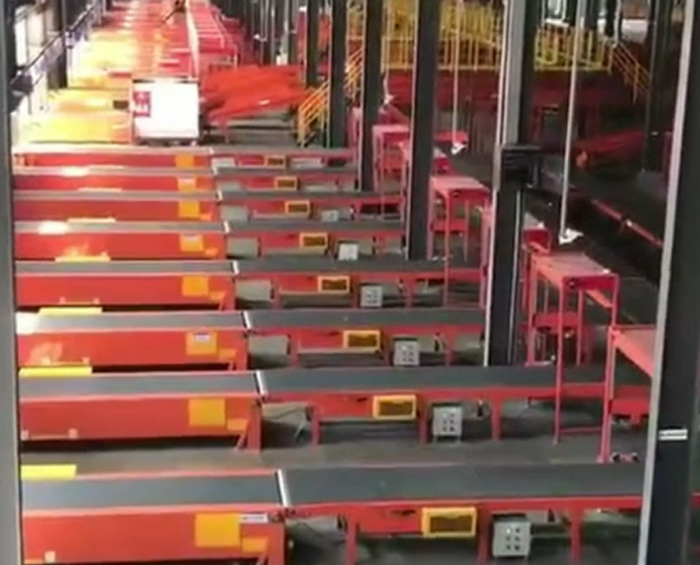
Russia Express merchant 5 sweep 10 grid sorting line projects
The customers of this project are merchants on AliExpress platform, mainly engaged in cross-border e-commerce business, especially in the Russian market. As the order volume continues to grow, customers need to handle a large number of express packages every day. Due to the wide variety of packages and the wide distribution of destinations, the traditional manual sorting method is not only inefficient, but also prone to error, especially in the peak period, the bottleneck problem of manual operation is more prominent. In addition, customers have limited storage space, and manual sorting has led to a backlog of parcels, affecting the sorting speed and delivery timeliness. In order to improve sorting efficiency, reduce error rates, and cope with large parcel volumes at peak times, customers urgently needed an efficient and flexible automated sorting solution.
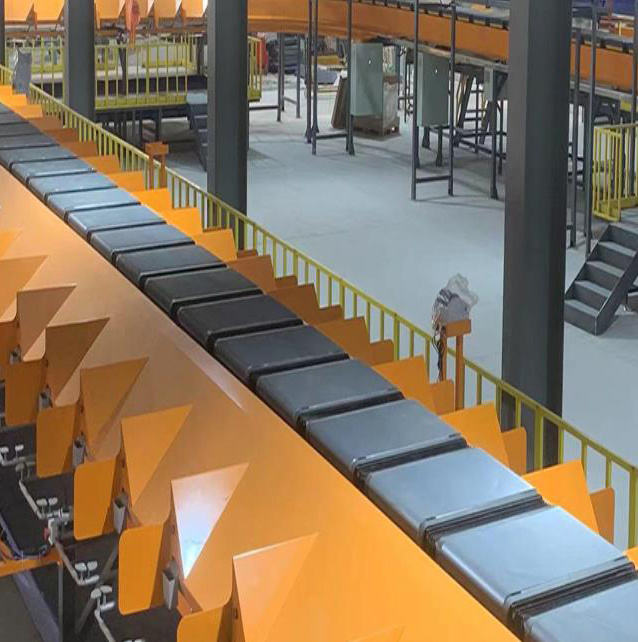
Static sorting machine in the UK famous logistics company application
Because of the high labor cost and low efficiency, the traditional manual sorting mode has been unable to meet the growing logistics demand.
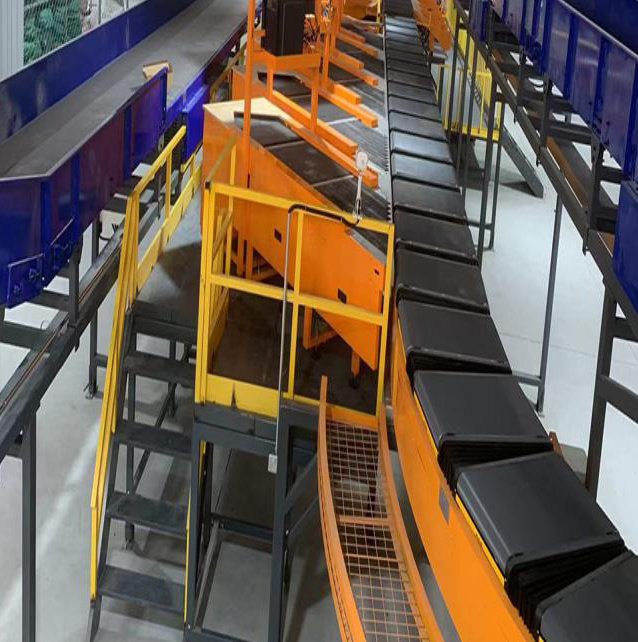
Us e-commerce company DWS sorting equipment application
As the demand for online shopping surges and warehouse orders continue to climb, traditional manual sorting and manual data entry systems are inadequate
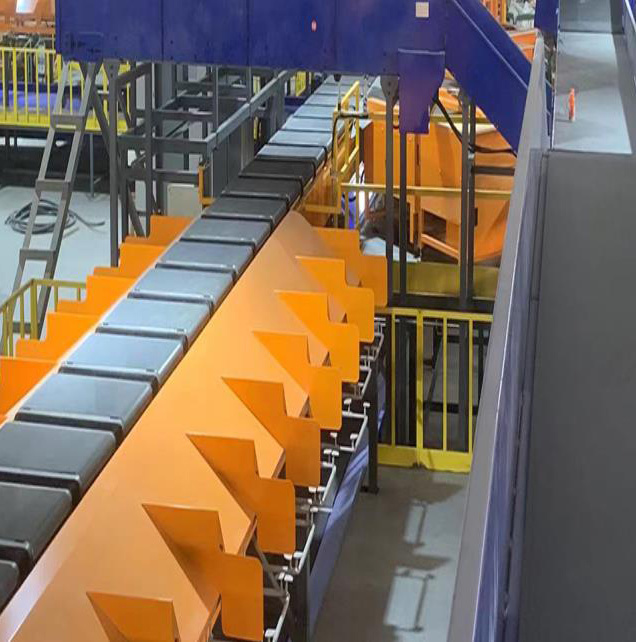
Application of DWS sorting equipment in garment company
The clothing company has encountered several problems in its operations, mainly centered on inefficiencies in order processing and sorting. With the rapid growth of e-commerce, the increase in order volume has caused manual sorting to become a bottleneck, especially during seasonal peak periods.
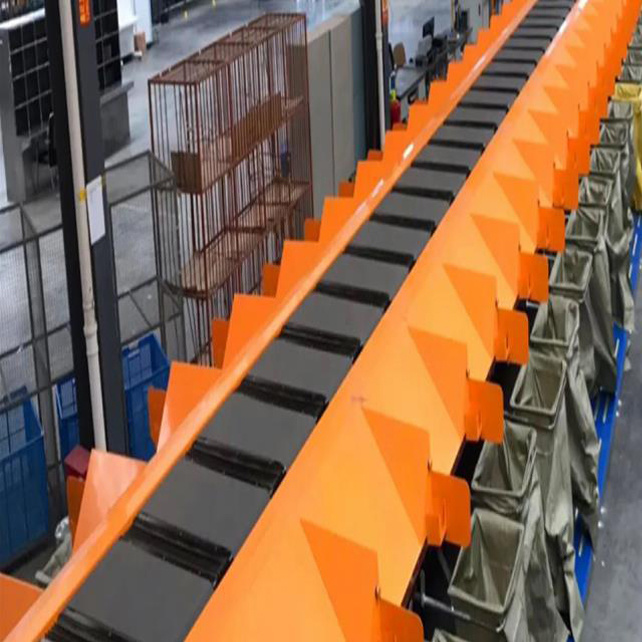
Application of DWS sorting equipment in American grain enterprises
The customer is a grain processing company based in the United States, primarily engaged in the production, packaging and distribution of cereals.
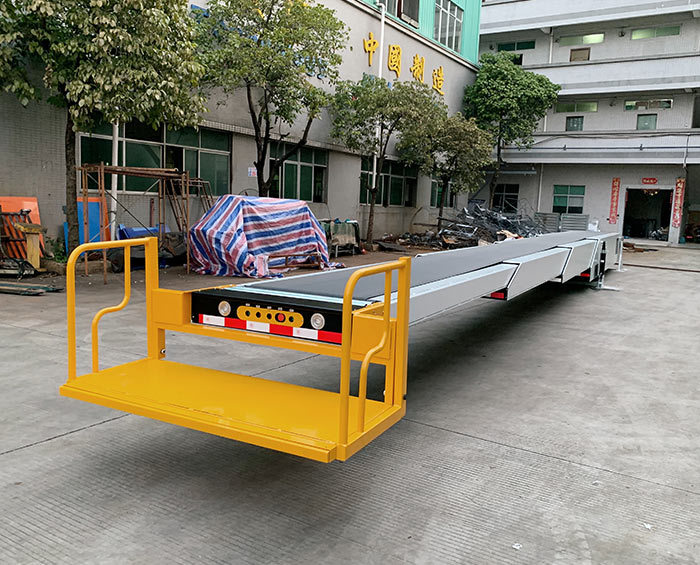
Application of telescopic belt conveyor in Mexican farm
The large farm in Mexico, which produces corn and other crops, has a complex geography, some of it in remote areas with poor transportation. The traditional manual handling method has been unable to meet the growing production demand.

-
Our mission is to be recognised as class leading solution providers for materials handling and automation systems across all industry sectors.