


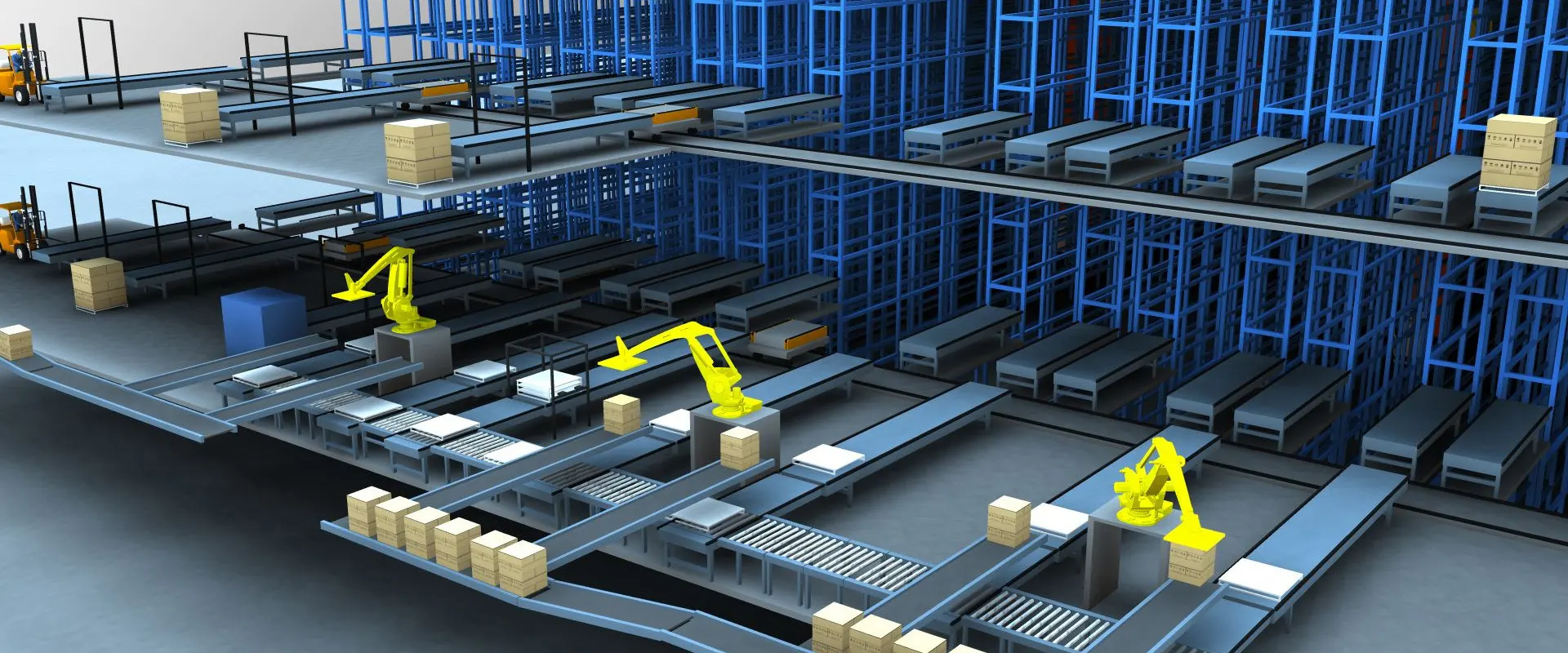
Linear Sorting Conveyors Enhance Parcel Handling in Modern Distribution Networks
May 22,2026

The rapid development of global logistics and e-commerce has created increasing demand for faster and more accurate parcel processing solutions. To meet these challenges, many distribution centers are adopting Linear sorting conveyors as a core technology for automated material handling and intelligent parcel routing.
Linear sorting conveyors are designed to move products and parcels along a straight conveyor structure while automatically directing items to specific destinations. Using integrated barcode scanners, sensors, and automated diverting devices, the system can identify parcel information in real time and complete sorting operations with minimal human intervention. This improves operational efficiency and ensures smooth product flow throughout the warehouse.

One of the major advantages of Linear sorting conveyors is their ability to simplify logistics workflows. Traditional sorting methods often involve manual handling and repeated movement of parcels between workstations, which can slow down operations and increase labor costs. Automated linear sorting systems streamline the process by creating a continuous transportation path from inbound receiving to outbound shipping.
High processing efficiency is another important feature of Linear sorting conveyors. Modern logistics facilities operate under intense pressure during peak shopping periods and promotional campaigns. Linear sorting systems can maintain stable sorting speeds while handling large quantities of parcels, helping companies reduce delivery delays and improve order fulfillment performance.
Linear sorting conveyors are also valued for their adaptability. The systems can be configured with different conveyor lengths, sorting positions, and transfer mechanisms depending on warehouse layouts and operational requirements. They are suitable for handling cartons, envelopes, plastic bags, and various packaged products across multiple industries.
Another key benefit is operational visibility. Many modern Linear sorting conveyors are integrated with intelligent software systems that provide real-time monitoring and data analysis. Managers can track parcel movement, monitor equipment performance, and quickly identify bottlenecks within the logistics process. This level of transparency supports more efficient warehouse management and faster operational decisions.
As sustainability becomes increasingly important in supply chain management, Linear sorting conveyors are also helping businesses reduce energy consumption and optimize resource utilization. Automated systems minimize unnecessary handling processes and improve transportation efficiency within warehouses, contributing to lower operational waste.
Worker safety is another area where Linear sorting conveyors provide advantages. By reducing repetitive lifting and manual sorting tasks, automated conveyors help create a safer and less physically demanding working environment. Employees can focus on supervision, maintenance, and quality control tasks instead of repetitive manual labor.
Looking ahead, the demand for automation technologies will continue to grow as logistics networks become more complex and customer expectations increase. Linear sorting conveyors are expected to remain an essential solution for companies seeking efficient, scalable, and intelligent parcel sorting systems in the evolving global logistics industry.


-
Our mission is to be recognised as class leading solution providers for materials handling and automation systems across all industry sectors.